
A Guide To Summit County Short-Term Rental Regulations

Summit County, Colorado, regularly attracts buyers who want a mountain property that can support both personal use and short-term rental income. However, rental rules can shape where a buyer purchases, how soon rental activity can begin, and how much flexibility the property may offer.
A home may look ideal on paper, but local regulations can change the financial picture before the first guest books a stay. This guide to Summit County short-term rental regulations can help buyers understand the rules before they invest.
Licensing Before Renting
One important regulation is that Summit County requires property owners to hold an appropriate short-term rental license before advertising or accepting reservations. This matters because a buyer cannot assume that a property may start generating rental income immediately after closing. Licensing should be part of the early property review, especially when rental revenue is a factor in the purchase.
The Colorado towns of Breckenridge and Frisco, and unincorporated Summit County, each have their own requirements so that the process can vary by location. Buyers should confirm the current licensing path before comparing projected income across properties. A strong purchase plan starts with determining whether the property qualifies for short-term rental use.
Town Rules

It’s also important for buyers to be aware that Summit County’s towns and unincorporated areas may follow their own short-term rental standards. For example, properties near Breckenridge or Frisco may fall under a different rule than a buyer expects. This can affect licenses, fees, and operating requirements.
Buyers should confirm the property’s exact jurisdiction before making assumptions about rental potential. Two homes with similar views and nightly rate potential can carry very different rental rules. Location matters, but the governing authority matters just as much.
Breckenridge Zones
One aspect of Breckenridge that is worth highlighting is that the town uses rental zones that can affect license availability and rental strategy. A home in one part of town may have a different path to approval than a similar property in another area. Buyers interested in Breckenridge should review the zone before relying on income projections.
These zones can influence both timing and long-term planning. A property may attract strong guest demand, yet the licensing environment can still limit rental use. Buyers who understand the zoning structure can compare Breckenridge properties with more confidence.
Frisco Caps
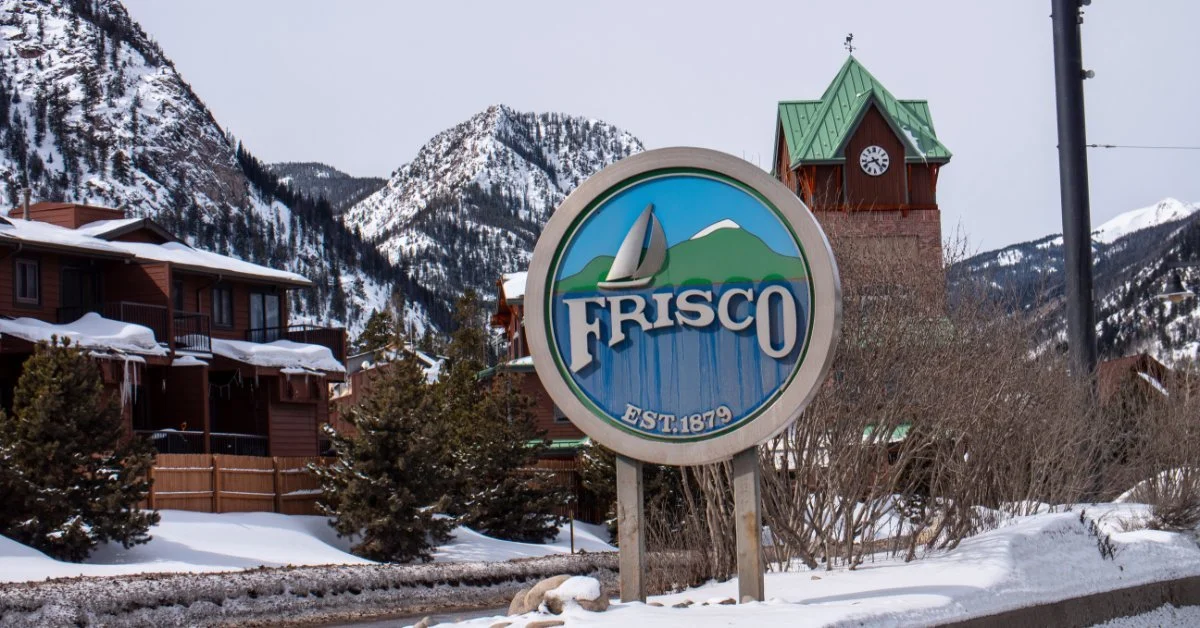
When it comes to Frisco, buyers should know that the town limits the number of short-term rental licenses available in its limits. This cap can create a waitlist when demand exceeds the number of available licenses. Buyers who want immediate rental income should review license availability before treating Frisco rental revenue as a near-term certainty.
The cap does not remove Frisco’s appeal, but it can change the investment timeline. A buyer may still value the property for personal use or future rental potential. However, the license cap should factor into the purchase strategy from the beginning.
Resort Areas
Some areas in Summit County have stronger resort-oriented rental patterns than traditional residential neighborhoods. Buyers looking near Keystone or Copper Mountain, Colorado, should review how local rules treat those locations. Resort settings may offer different expectations for guest activity, rental volume, and licensing.
This distinction matters because not every mountain property serves the same purpose under local rules. A property near major recreational amenities may appeal to a different rental profile than a home in a quieter residential area. Buyers should match the property’s location with their rental goals before moving forward.
Neighborhood Areas
Neighborhood areas in unincorporated Summit County can carry different short-term rental expectations than resort-centered locations. These areas may place greater emphasis on aspects such as residential use and rental frequency. Buyers should understand this difference before comparing a neighborhood home with a property near a major resort base.
A neighborhood setting can still work well for the right buyer, especially when personal use matters as much as rental income. However, the rental plan should fit the local rules and the surrounding area. This review can help buyers avoid choosing a property that does not match their preferred use.
Rental Nights
Some Summit County rental regulations limit how many nights you can rent a property. These limits, which vary by location, can affect annual income and how owners balance personal use with guest stays. A buyer who plans to rent heavily needs to know whether the location supports that strategy.
Night limits can make revenue projections more realistic. A property with strong nightly rates may still generate lower income if local regulations restrict rental activity. Buyers should compare possible rental nights with expected expenses before deciding whether the numbers work.
Guest Limits
Occupancy rules in Summit County can also affect how many guests a property may host. This matters because the guest count can influence the potential for nightly rates, cleaning needs, parking demand, and wear on the home. A large home does not automatically allow large-group rentals.
Buyers should compare the number of bedrooms, parking capacity, and local occupancy rules before building income estimates. A property that works well for smaller groups may still offer strong value, but it should fit the intended rental strategy. Guest limits help shape how owners market the home and set expectations.
Sale Transfers
Buyers should not assume that an existing Summit County short-term rental license will transfer with the property after sale. In some parts of the county, a new owner may need to apply for a new license or follow a different approval process. This issue can affect closing timelines and rental start dates.
A property with rental history can still offer useful insight, but past performance does not guarantee future approval. Buyers should review transfer rules before relying on the seller’s rental activity. This step can prevent surprises after closing.
Taxes and Fees
Finally, buyers should know that short-term rental income in Summit County comes with local tax and fee obligations. These costs can affect net income, even when the property earns strong nightly rates. Buyers should look beyond gross booking revenue when evaluating whether a rental property meets their goals.
Aspects such as taxes and insurance all shape the final return. A realistic rental plan should account for these expenses before purchase. Strong numbers depend on both guest demand and careful cost review.
Now you know how Summit County regulations can influence where you purchase and what kind of income you can expect. Buyers who understand these rules before purchasing can make stronger investment decisions and avoid delays or complications after closing.
The BuyBreck Team can help buyers evaluate Summit County short-term rentals with local insight and practical guidance. Contact us today so we can help you find a property that aligns with your investment goals.
