
Top Considerations When Buying Property in a Mountain Town
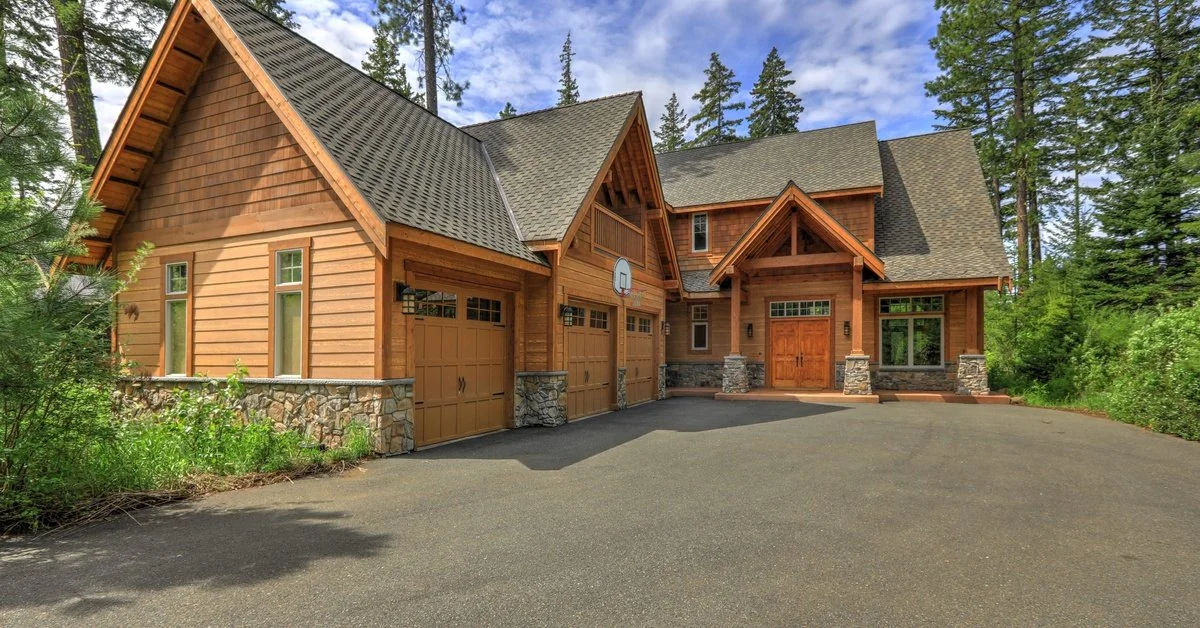
When you decide to purchase a property in a mountain town, it can raise a different set of questions than buying one in a suburb or a lower-elevation market. The right home needs to align with your personal goals while also reflecting the realities of owning property in a seasonal destination. Let’s explore how you can take a thoughtful approach by reviewing the top considerations to make when buying property in a mountain town.
Local Market Conditions
Mountain town real estate markets can move differently from larger metro markets because supply, demand, and location shape each property in unique ways. Factors such as limited land availability and local ownership patterns can influence pricing. Buyers should study recent sales and property availability before deciding where their budget fits best.
A property that looks expensive on paper may hold strong value because it offers rare access or views. Another property may seem like a bargain until buyers account for access issues or weaker resale interest. A careful market review helps buyers compare homes beyond the listing price alone.
Lifestyle Fit
A mountain property should also align with how the buyer plans to use the home throughout the year. Some buyers want a quiet retreat for extended stays, while others want a basecamp for skiing or summer visits. The best choice depends on daily routines and the level of convenience the buyer expects.
Lifestyle fit also includes how the town feels beyond vacation weekends. Buyers should think about local dining, shops, and the pace of life during quieter seasons. A home that feels right during peak travel periods should also feel comfortable during mud season or midweek stays.
Rental Potential
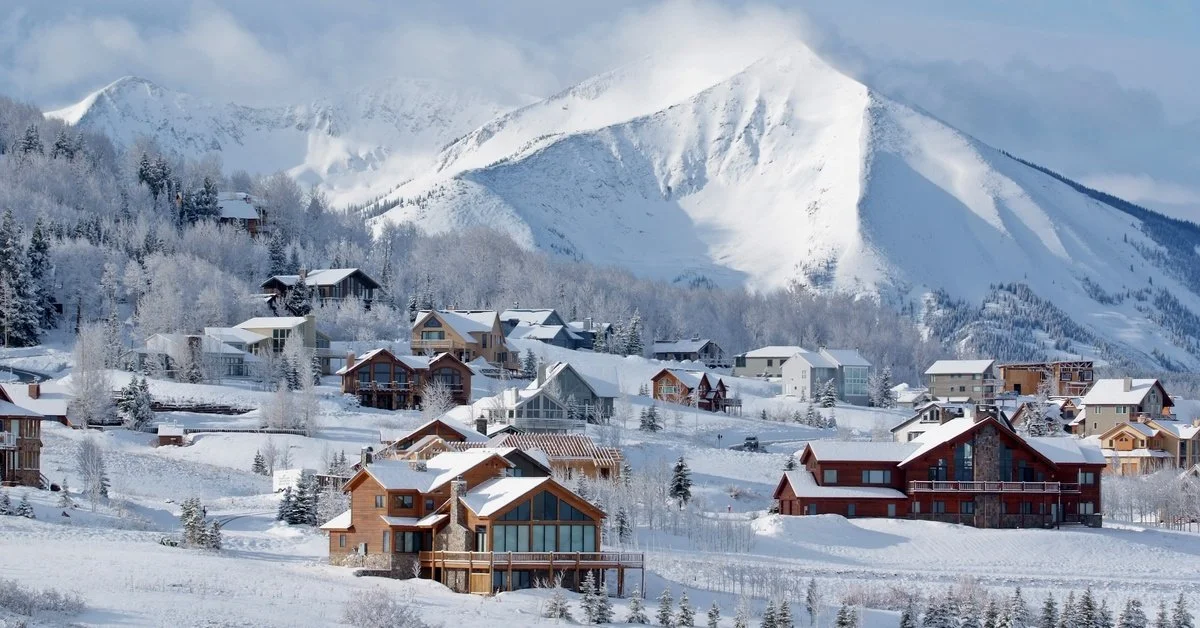
Another top consideration when buying property in a mountain town is the home’s rental potential. Many mountain-town buyers consider rental income as part of their ownership plan.
The property’s rental potential depends on aspects such as location, guest demand, seasonality, and local rules. Buyers should evaluate their projected income with caution rather than assuming every attractive mountain home will perform the same way.
Short-term rental rules deserve close review before a buyer makes an offer. Regulations can vary by town, county, zoning area, license type, and property use. A home may have strong guest appeal, but buyers still need to understand whether rental activity aligns with local requirements.
Access and Transportation
Access matters more in the mountains than many buyers expect. Roads and distance from main routes can affect your daily comfort and long-term satisfaction. A scenic property may require more planning if factors such as snow or elevation make trips more complicated.
Buyers should think through how they and service providers will reach the home in every season. Proximity to features such as ski areas and town centers can shape both personal use and rental demand. A beautiful location becomes more valuable when access supports the way you will use the property.
Weather and Maintenance
Mountain weather can create extra ownership responsibilities that buyers should understand before closing. Snow, ice, and temperature swings can affect various aspects of the home, including your roofs and decks. A home that looks well-maintained during a showing may still need specialized care during winter and shoulder seasons.
Buyers should ask about snow removal, roof maintenance, heating systems, drainage, insulation, and exterior materials. They should also consider who will handle maintenance when they are not in town. Reliable local service providers can make ownership smoother, especially for second-home owners who live several hours away.
The Property’s Condition
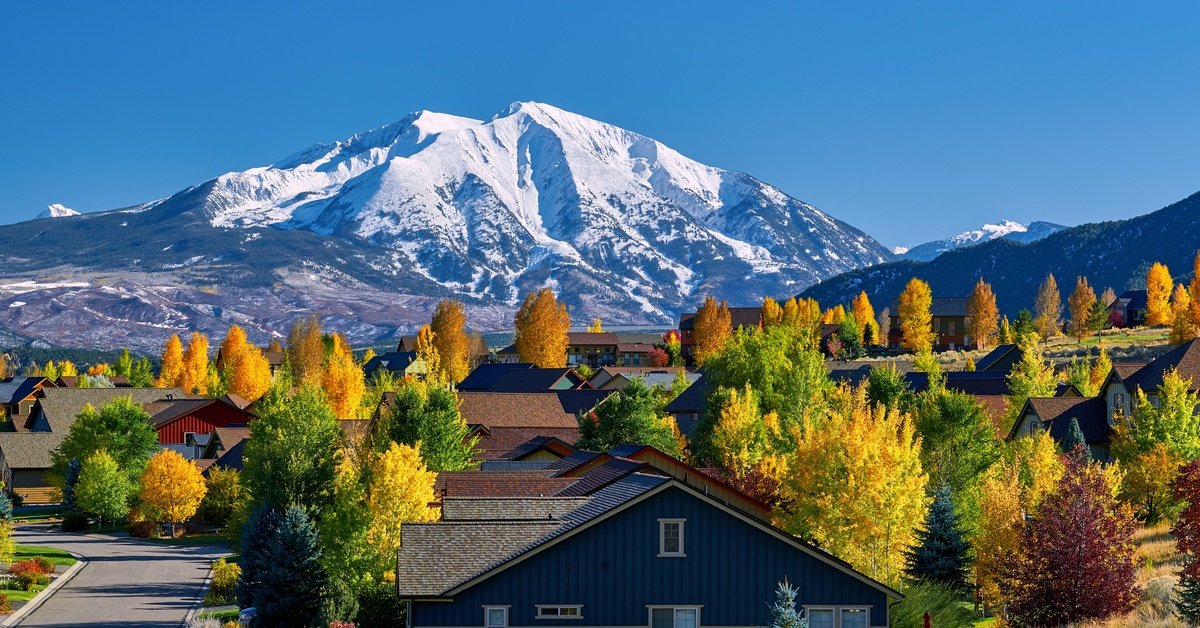
It’s also important to pay close attention to the property’s condition, since mountain homes face different wear than homes in milder climates. Buyers should review the age and performance of major systems, including heating and plumbing. Inspection findings can help buyers understand whether the home supports year-round use or needs near-term investment.
Older homes may offer charm and character that newer properties cannot match. At the same time, buyers should factor in the cost of repairs and energy improvements before moving forward. A realistic view of condition helps buyers protect their budget after the excitement of the purchase fades.
Financing Needs
Financing a mountain property can involve different questions than financing a primary residence in a traditional neighborhood. Buyers may need to discuss second-home loans, investment-property terms, down payment requirements, insurance costs, and lenders' comfort with rental income. Early conversations with knowledgeable lenders can help buyers set a stronger price range.
Financing also connects to timing and offer strength. In competitive mountain markets, sellers may value buyers who understand their loan terms and can move with confidence. Buyers should prepare documentation early so they can act when the right property becomes available.
Insurance Costs
Mountain properties may carry insurance considerations tied to wildfire, snow load, access, elevation, and seasonal occupancy. Buyers should request insurance estimates before closing so they understand the full cost of ownership. These costs can affect monthly budgets and long-term return expectations.
Risk review should also include the property’s surroundings. Trees, slopes, drainage, road access, and neighboring land can all influence maintenance and insurance discussions. Buyers who evaluate risk early can make better decisions about coverage and ownership responsibilities.
Community Rules
Mountain towns may have local rules governing aspects such as property use and exterior changes. Homeowners’ associations may add another layer of requirements for townhomes and planned communities. Buyers should review these rules before they commit to a property.
Community expectations also matter because many mountain towns balance full-time residents, second-home owners, visitors, and local businesses. A buyer who understands the town’s character can make choices that fit both personal goals and community standards. This awareness helps create a better ownership experience after closing.
Long-Term Goals
Finally, a mountain property should serve both your current plans and future needs. Buyers may start with weekend visits, then later use the home for longer stays, rental income, retirement planning, or family gatherings. Thinking ahead can help buyers choose a property that remains useful as priorities change.
Long-term goals should include resale potential as well as personal enjoyment. Elements such as location and condition can shape future buyer interest. A home that fits today and still makes sense years from now can offer more confidence in the purchase.
The right mountain property should feel enjoyable to own, not just exciting to buy. When buyers take the time to understand how a home will function through changing seasons and the demands of real ownership, they can make a decision that supports their lifestyle and long-term goals. Local guidance can also help buyers see details that may not stand out during an online search or a short visit.
If you’re interested in purchasing a property in the Breckenridge, Colorado, market, make sure to contact The BuyBreck Team today. As experienced Breckenridge realtors, we can help you find the perfect property so you can enjoy all the town has to offer.