
Living in Summit County: What Homebuyers Should Know

Buying a home in Summit County can feel like choosing a lifestyle as much as a property. Mountain views and outdoor recreation draw plenty of attention, but daily life also depends on location and winter access. How often you plan to use the home can shape your decision as well. Buyers who live elsewhere may find it harder to judge those details during a short visit.
A thoughtful search begins with a clear picture of how you want the property to fit into your life. Some buyers want a weekend base near the slopes, while others envision longer stays throughout the year. Investors may focus on rental potential, while retirees may prioritize comfort and easy upkeep. Living in Summit County offers options for each goal, but homebuyers should know the right choice depends on how well the home supports your routine.
Get To Know Each Community
Summit County includes several communities with distinct personalities. Breckenridge combines historic character with a lively dining and recreation scene. Frisco offers a central location that can simplify trips to several mountain areas, while Silverthorne and Dillon offer a range of housing styles and convenient road access.
Keystone and Copper Mountain attract buyers who want to stay close to resort activity. Homes outside busier town centers can offer more privacy and a stronger sense of retreat. Before you focus on finishes or square footage, take time to learn how each area feels throughout the day. A location that feels ideal on a sunny afternoon may feel different on a snowy weekday morning.
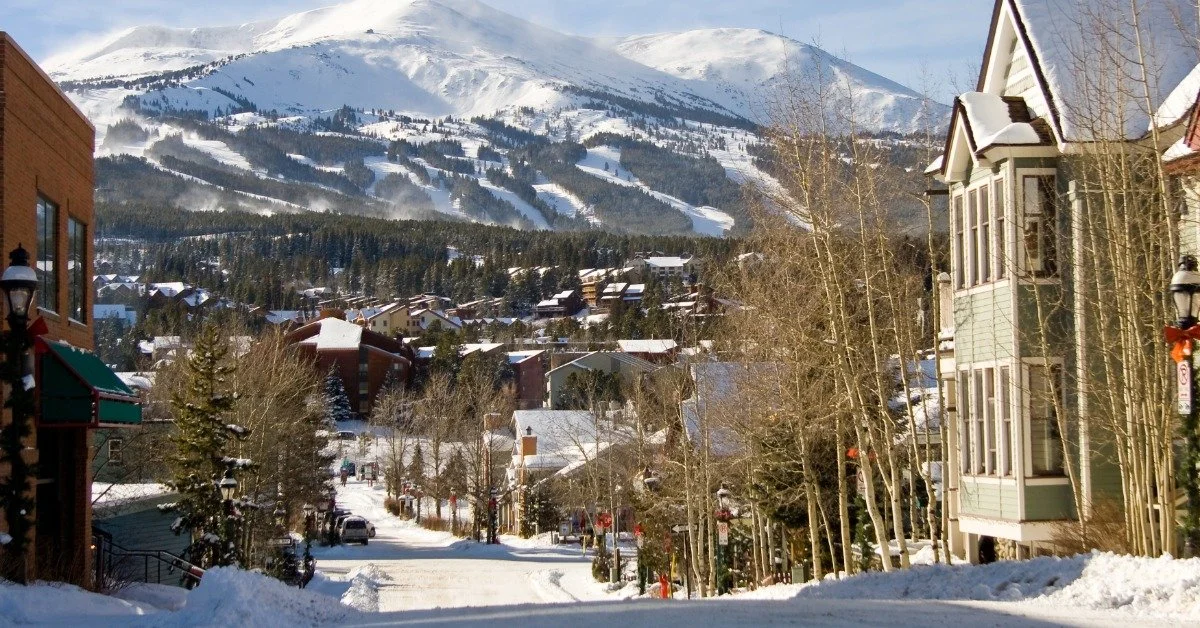
Think About Winter Access
Winter changes how people use homes in the mountains. Snow can affect driveways, private roads, parking areas, and travel times across the county. Buyers who plan to visit often during ski season should carefully consider how easily they can reach a property after a storm.
Ask who handles snow removal and how quickly crews typically clear the road or driveway. If a homeowners association manages the work, review the services included with the dues. If the owner handles snow removal, find out what local contractors charge and how scheduling works during peak periods. A steep driveway or a shaded access road may also warrant extra attention.
Plan for Mountain Maintenance
Mountain homes face conditions that differ from those of properties along the Front Range or in warmer states. Snow loads, freezing temperatures, intense sun, and seasonal moisture can affect maintenance needs. Buyers should look beyond interior finishes and pay close attention to roofs, exterior materials, drainage, heating systems, and decks.
A second home also needs a plan when it’s unoccupied. Owners often rely on local professionals to inspect the property or coordinate repairs. Smart-home systems can help owners monitor temperature and security, but technology can’t replace dependable local support. Before closing, identify the people who can help manage the home while you’re away.
Understand Rental Rules Early
Rental income can play an important role in a second-home purchase, but buyers shouldn’t assume every property offers the same rental options. Local governments and homeowners associations can set different requirements that affect licensing and fees. Those rules can also determine whether a property qualifies.
If a Summit County short-term rental fits into your ownership plan, investigate the rules before you make an offer. Breckenridge, for example, uses short-term rental zones, and licenses don’t automatically transfer when a property sells. Homeowners associations may add their own restrictions as well. Buyers should confirm the rules for the exact address and base financial projections on the property’s current eligibility, not assumptions about nearby homes.
Look Beyond Ski Season
Summit County draws plenty of winter attention, but year-round ownership offers a broader experience. Summer brings hiking and biking, while fall can feel quieter. Spring often brings a slower pace as snow conditions and trail access shift.
Think about which seasons you expect to spend in the county most often. A home that works well for ski weekends may offer different benefits during summer visits. Outdoor storage, garage space, deck orientation, and access to recreation can influence how much you enjoy the property year-round. Matching the home to your favorite activities can make ownership feel more rewarding.
Consider Travel Time
Many Summit County buyers live elsewhere, so the trip to the property becomes part of the ownership experience. Buyers from Denver and other Front Range communities often travel through mountain corridors that can become busy on weekends and in winter weather. Out-of-state owners may also need to factor in airport travel for each visit.
Location within the county can affect travel patterns. A property farther from a major road may offer more privacy, but it may add time to every arrival and departure. A home closer to a main route can simplify logistics, especially when you arrive at night or in snow. Think about the full trip from your primary residence to the front door.
Review Ownership Costs Carefully
The purchase price tells only part of the financial story. Mountain ownership can include homeowners association dues, insurance, utilities, snow removal, property management, and periodic exterior maintenance. Some homes may also require specialized services that cost more because contractors operate in a high-demand mountain market.
When possible, request recent utility bills and review homeowners association documents carefully. Determine which services the association covers and which expenses remain the owner’s responsibility. If you plan to rent the home, include management costs and licensing expenses in your calculations. A realistic operating budget can help you compare properties on equal footing.
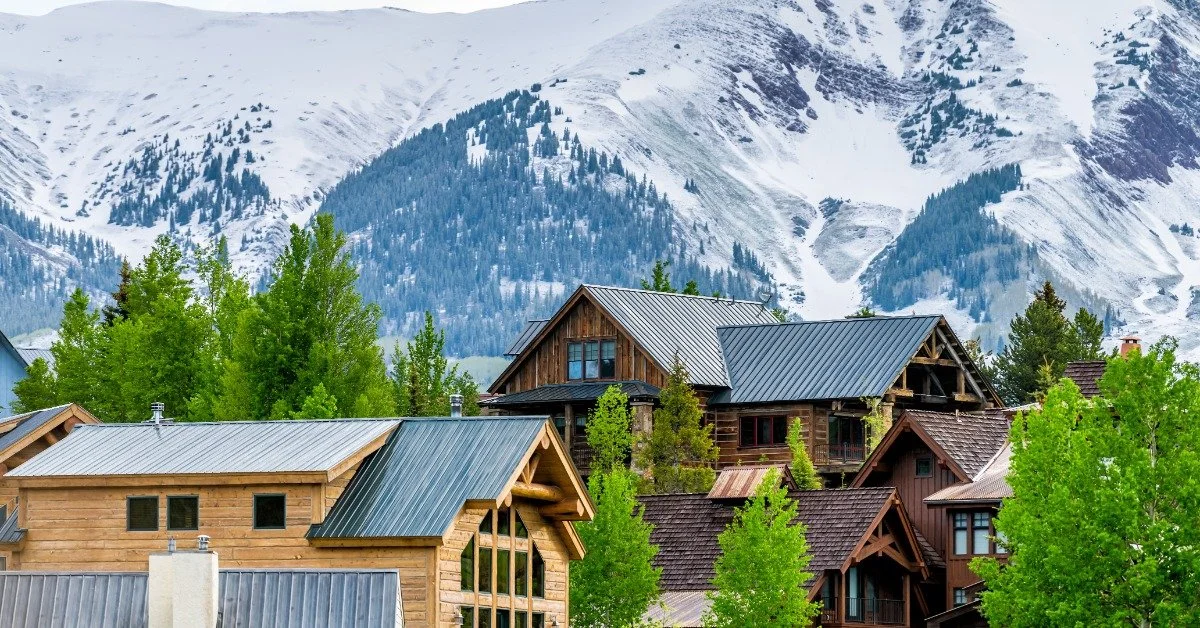
Choose the Right Property Type
Summit County buyers can choose from condos, townhomes, single-family homes, and other mountain properties. Each option offers a distinct ownership experience. Condos may reduce exterior maintenance, while detached homes can offer more privacy and storage.
Your ideal property type should reflect how often you visit and how much hands-on responsibility you want. Buyers who stay for short weekends may value convenience and low maintenance. Buyers who spend long stretches in the county may prefer extra storage or a garage. Focus on the features you will use regularly, not those that simply look impressive during a showing.
Spend Time Before You Buy
A quick weekend can introduce you to Summit County, but a longer visit can reveal much more. Explore your preferred communities during the times you would normally head to the slopes, go to dinner, or return home after an outing. Pay attention to traffic patterns, parking, noise, sun exposure, and the distance to places you expect to visit often.
If possible, return in another season before you commit. Snow can affect access, while summer can affect traffic and neighborhood activity. Seeing a community under different conditions gives you a stronger sense of daily life and helps you compare homes with more confidence.
Find Your Place in Summit County
Homebuyers should understand that living in Summit County can offer far more than a place to spend a ski weekend. The right home can become a year-round retreat or a long-term investment that supports the way you want to spend your time.
The strongest purchase decisions come from looking beyond the view from the deck. Learn the differences between communities and understand the responsibilities that come with mountain ownership. Then evaluate each property through the lens of your real routine. When your location and ownership plan align with the home itself, a Summit County property can feel like a natural extension of the life you already enjoy.
