
Common Mistakes To Avoid When Buying Mountain Property
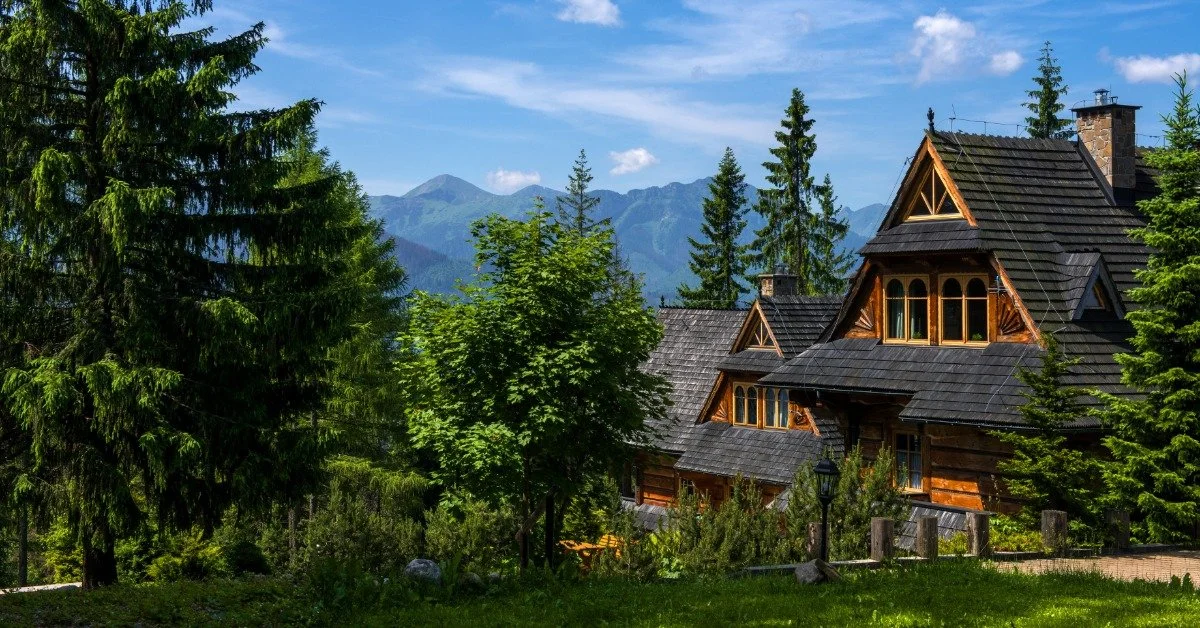
Buying a mountain property can feel different from almost any other real estate purchase. The setting can pull your attention toward big views and inviting interiors, especially when the home sits close to activities you already love. That excitement makes the search fun, but it can also push practical details into the background.
Mountain homes often come with property features that buyers rarely encounter in suburban neighborhoods or city condos. A careful search should look beyond style and square footage. When you know which details deserve extra attention, you can compare homes with a clearer sense of how each one will work after closing. Keep reading to discover common mistakes you should avoid when buying mountain property.
Judging a Home From Photos
Listing photos can showcase a beautiful kitchen or a dramatic mountain backdrop, but they can’t give you a complete sense of the property. Camera angles may make rooms feel larger, while aerial photos can make neighboring homes look farther away than they do in person.
Pay as much attention to the land around the house as to the interior. Consider the slope of the lot and how the home sits in relation to nearby roads. Notice whether neighboring properties overlook the outdoor space.
Buyers who live outside Summit County may need help interpreting those details before they travel. Experienced Breckenridge realtors can point out questions worth asking about a home’s setting and help narrow the search before buyers spend a weekend touring properties.

Overlooking Sun Exposure
Sun exposure can shape how a mountain home feels throughout the year. A property with wide-open views may still lose direct sunlight early in the afternoon because a ridge blocks the western sky. Dense trees can create the same effect.
Visit the property at a useful time of day when possible. Pay attention to which rooms receive natural light and how long the sun reaches decks or patios. South-facing areas may feel very different from shaded areas during colder months.
Don’t rely on one sunny showing to tell the full story. Ask how the home’s orientation affects outdoor spaces and interior light across different seasons. Buyers who plan to spend long stretches at the property may care about those patterns more than buyers who only visit for short weekends.
Assuming Utilities Work the Same Way
A mountain home may use systems that feel unfamiliar if you currently live in a city or planned suburb. Some properties connect to municipal water and sewer service, while others may depend on a well or septic system. Homes can also rely on propane for heat or appliances.
Ask what serves the property before you fall in love with it. Find out where key components sit and who services them. Request available records when they can help you understand the home’s setup.
Utility questions can also affect future projects. A buyer who dreams about adding a bedroom or changing the property’s footprint should learn whether the existing systems can support those plans. Clear information early in the process can prevent an exciting renovation idea from turning into an expensive surprise.
Ignoring Easements and Property Lines
Mountain parcels don’t always follow the neat visual boundaries buyers expect. A driveway may cross another parcel, or a neighboring owner may hold an easement across part of the land. Fences and landscaping may not match the recorded property lines.
Review the available survey information and title documents with care. Ask questions when a driveway or utility line crosses the property. You should understand which areas belong to you and which areas carry legal rights for someone else.
Buyers should also confirm any access that strongly influences the appeal of a home. A path that looks like a convenient route to nearby recreation may cross private land. A beautiful shortcut doesn’t create a legal right to use it.
Assuming the View Will Never Change
A mountain view can play a huge role in a buyer’s decision, especially when the scenery adds a premium to the purchase price. Buyers shouldn’t assume the current view will remain untouched forever.
Look at nearby vacant parcels and development possibilities. Ask whether neighboring land could support future construction. Pay attention to trees near important sightlines because natural growth can change a view over time.
You don’t need to predict every future change. You do need to understand what gives the property its appeal today and how much of that appeal depends on land you don’t control. A home that still works for you without one perfect sightline may offer more confidence than a home whose entire value rests on the scenery outside one window.
Forgetting About Connectivity
A mountain retreat can feel wonderfully removed from everyday routines, but many owners still need reliable internet or phone service. Remote workers may depend on video calls, while families may want dependable service during longer stays.
Check the available providers for the exact property. Don’t assume nearby homes use the same service options. Mountain terrain can affect cellular coverage from one location to another, even within a small area.
Test your phone during a showing if connectivity affects your plans. Ask the seller which internet service they use and what kind of performance they receive. Buyers who plan to work from the property should treat connectivity as a core feature, not a detail to investigate after closing.
Leaving Storage Until Later
Mountain activities come with gear, and that gear needs a practical home. Skis and bikes can quickly overwhelm a beautiful interior when the property lacks useful storage. Owners who visit seasonally may also want space for luggage between trips.
Look closely at garages and storage areas. Think about how you would move equipment from the car to its storage spot. A narrow stairway or distant locker may become frustrating after repeated use.
Condo buyers should verify exactly which storage spaces belong to the unit. A listing photo may show a shared area without explaining how owners use it. Confirm the details before you assume a storage feature comes with the property.
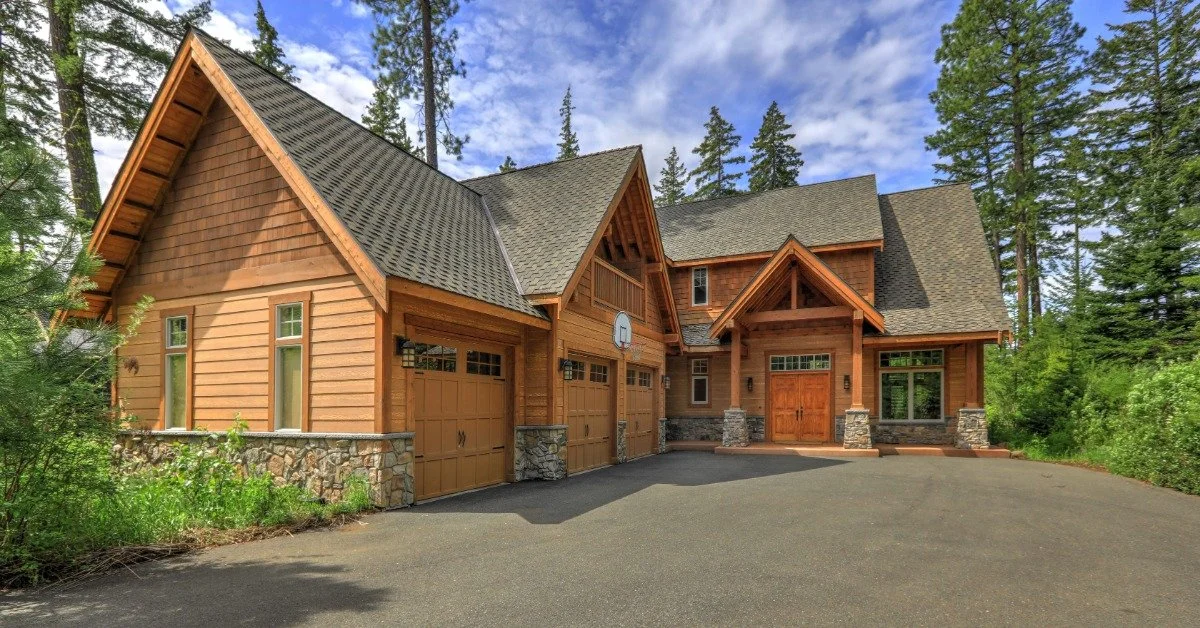
Failing To Clarify What Stays
Mountain homes sometimes reach the market with furniture or recreational items already inside. Buyers may see a fully furnished property and assume most of the contents will remain after closing.
Review the purchase terms carefully and identify any items you care about. Clarify whether furniture and outdoor equipment will stay. If a furnished purchase appeals to you, discuss the inventory early enough to avoid confusion later.
Replacement logistics can surprise buyers who live far away. Furnishing a second home takes coordination, especially when you need to schedule deliveries around limited visits. Knowing what comes with the property can help you plan the first weeks of ownership with fewer last-minute purchases.
Give the Details Time
The biggest mistake buyers make with mountain homes is letting excitement rush the process. Mountain homes can create an immediate emotional connection when a showing starts with fresh snow or a spectacular view. Strong interest doesn’t need to disappear, but it should leave room for careful questions.
Take time to understand the site and the ownership details that make each property unique. A home should support the way you plan to use it, not just look impressive during a short visit. When you investigate the details before closing, you can move forward with a clearer picture of the property waiting for you in the mountains.
